Repair, Replace, or Upgrade? How Rental Property Owners Should Make Exterior CapEx Decisions
Every rental property owner eventually faces the same uncomfortable conversation: the gutters are failing again, the siding is showing its age, or the roof has one questionable winter left in it. The instinct is often to find the cheapest fix and move on. But for landlords managing one property or twenty, that instinct can quietly become one of the most expensive habits in real estate investing.
Making smart exterior capital expenditure decisions requires a framework, not just a quote comparison. The right answer depends on remaining useful life, cumulative repair history, tenant disruption costs, local climate exposure, and how long you plan to hold the asset. Getting that calculus right separates investors who build equity from those who slowly drain it through deferred and repeated maintenance.
Why the Cheapest Repair Often Costs the Most
Consider a straightforward example: a landlord in North Florida has a standard aluminum gutter system that's twelve years old. Over the past three years, maintenance records show four service calls totaling roughly $600 in repairs. Each call was individually justifiable. Collectively, those repairs signal something different: a system approaching the end of its functional life.
Standard aluminum gutters carry an expected service life of 20 to 25 years under normal conditions, but that lifespan shortens considerably in high-humidity, storm-prone climates. Factor in the cost of each service call, any tenant complaints, potential water intrusion near the foundation, and the administrative overhead of coordinating repairs, and that "$600 in repairs" number starts looking much less efficient than it appeared on each individual invoice.
A basic repair-versus-replace model for landlords should account for:
● Total cumulative repair costs over the past three to five years
● Estimated remaining useful life of the component
● Replacement cost amortized over your expected holding period
● Risk of secondary damage (water damage, wood rot, mold) if the component fails between visits
● Tenant disruption and potential vacancy costs tied to major work during tenancy
When cumulative repairs exceed 30 to 40 percent of replacement cost, and the component still has meaningful age on it, replacement usually pencils out better over a five to ten-year horizon.
Exterior Systems Worth Examining on a Longer Cycle
Each major exterior system has its own calculus, but the principles apply consistently across all of them.
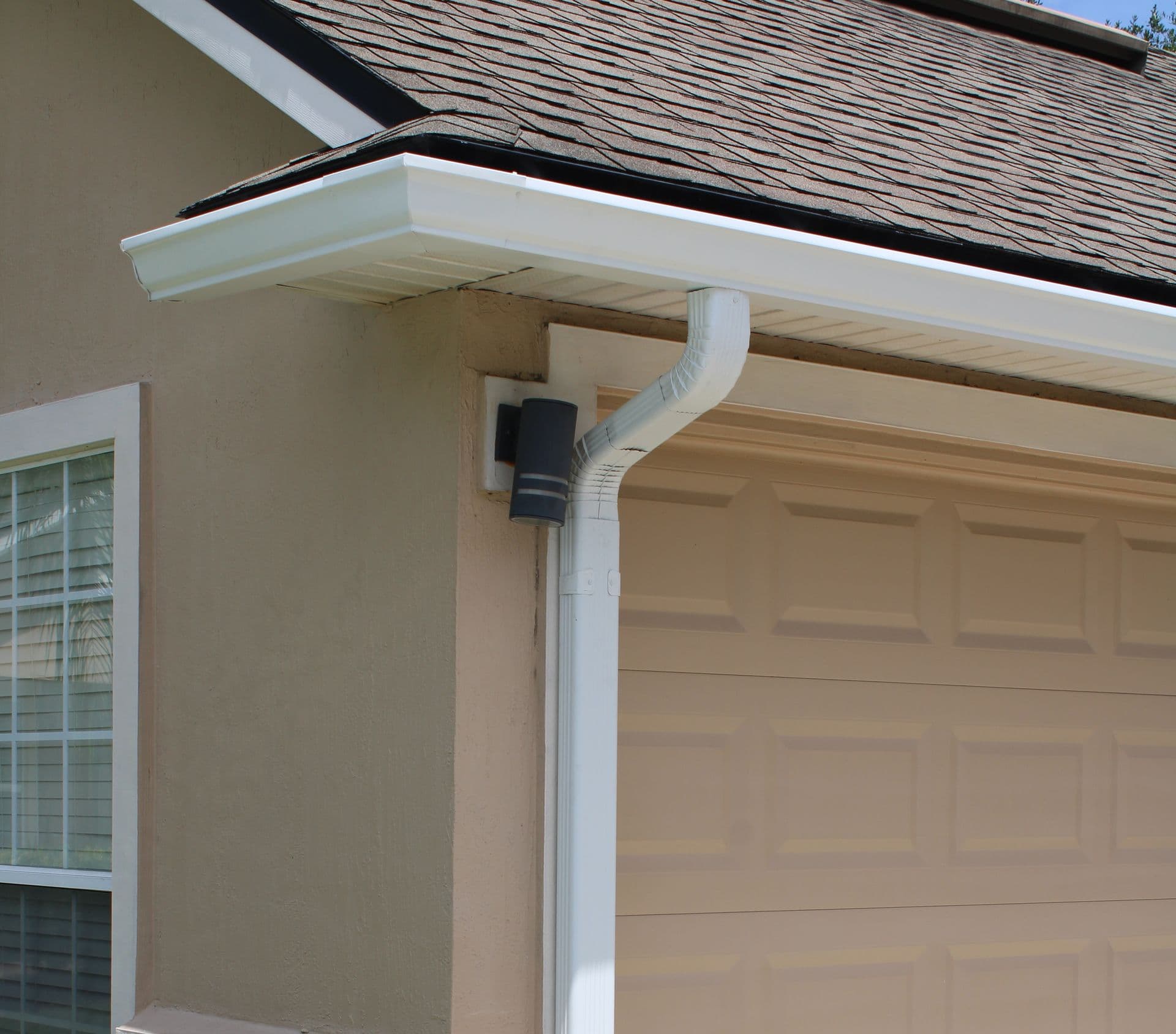
Gutters and drainage. Gutters are often the last thing landlords prioritize and the first thing that causes cascading damage when neglected. Beyond repair-or-replace decisions, this is also where upgrades can genuinely reduce long-term costs. A gutter protection system, for example, eliminates the recurring labor cost of seasonal cleaning and significantly reduces clog-related overflow events. For landlords managing properties remotely or across a portfolio, cutting out two to four maintenance calls per property per year adds up quickly.
Roofing. Asphalt shingle roofs typically carry a useful life of 20 to 30 years, though Florida's UV intensity heat and tropical storm exposure routinely compress that timeline. If a roof is within five years of the end of its rated lifespan, a partial repair can actually work against you: many insurance carriers and home warranty providers treat a patched aging roof as a liability rather than a maintained asset. A proactive replacement, documented and warranty-backed, can support better insurance terms and protect the property against interior damage that far exceeds roofing costs.
Siding and fascia/soffits. Wood-based siding and trim components are particularly vulnerable in humid climates. A fascia board that's been repainted twice and caulked once is still a fascia board absorbing moisture. Fiber cement siding or engineered trim products carry longer warranties and require significantly less intervention over a ten-year ownership window. When evaluating siding repairs, look at the scope of the affected area: spot repairs on wood siding that's broadly compromised often lead to additional sections failing within one to two seasons.
Windows. Single-pane or older double-pane windows that are fogging, sticking, or drafting create tenant comfort complaints and can drive up utility costs that affect lease renewals. For landlords in markets where energy efficiency is a tenant priority, upgrading windows during a turnover period can reduce vacancy time and support rental rate positioning.
How Property Management Teams Factor Into This Decision
Experienced property managers often see patterns across portfolios that individual owners miss, particularly around which deferred repairs compound into larger expenses. Companies like VS Realty allow landlords to apply structured maintenance tracking, so cumulative repair costs are visible at the component level rather than buried in a general maintenance line item. That kind of transparency is what makes the repair-versus-replace decision data-driven rather than reactive.
The Holding Period Variable
One factor that dramatically changes the math is how long you intend to own the property. A landlord planning to sell in two years may rationally choose a targeted repair over a full replacement, even if replacement would win on a ten-year model. Conversely, a landlord building a long-term rental portfolio should treat aging exterior systems as liabilities on a timeline rather than problems to address when they fail.
The National Association of Realtors regularly publishes data on how deferred exterior maintenance affects resale pricing. Buyers and their inspectors identify the same aging components you've been patching, and they adjust offers accordingly. A documented, upgraded exterior can meaningfully influence both appraisal value and days on market.
Building a CapEx Reserve That Reflects Real Exposure
Most landlord budgeting guidance suggests reserving five to ten percent of annual rent for capital expenditures. In Florida's climate, where UV degradation, humidity, and storm exposure accelerate wear across every exterior system, the upper end of that range is a more honest starting point. Factoring in the specific age and condition of your gutters, roof, siding, and windows gives you a reserve model tied to actual exposure rather than a rule of thumb.
The goal isn't to spend more. It's to spend deliberately, on the right component at the right time, so that exterior systems work for your investment rather than against it.
Get a Free Estimate +
Check Out Our Discounts on Select Products!
Recent Posts
Every rental property owner eventually faces the same uncomfortable conversation: the gutters are failing again, the siding is showing its age, or the roof has one questionable winter left in it.
Florida sits squarely in hurricane country, with a storm season every year. These storms can develop fast, bringing strong winds and heavy rain...
In North Florida, the heat, humidity, and almost-daily summer storms create many challenges for the exterior of homes, particularly for the owners of rental properties.