What Landlords Should Inspect After a Major Storm

Florida sits squarely in hurricane country, with a storm season every year. These storms can develop fast, bringing strong winds and heavy rain. Most storm-damaged houses suffer exterior damage well before any interior damage becomes visible. That means you'll need to check your rental property for exterior damage after a major storm - your tenants typically aren't in a position to catch it.
Tenants generally don't notice exterior damage until it starts affecting them directly - a leak that finally reaches a ceiling, for instance, or water seeping in around a window. By the time that happens, the underlying exterior damage has often been developing for a while. This means that by the time you're able to inspect the exterior of your rental property for storm damage, considerable damage could have already occurred.
Inspecting your property after a big storm can help protect your most valuable assets and help you avoid repairing much more costly damage down the road. Here's what to look for, area by area, from minor cosmetic damage to major structural issues.
Gutters and Downspouts
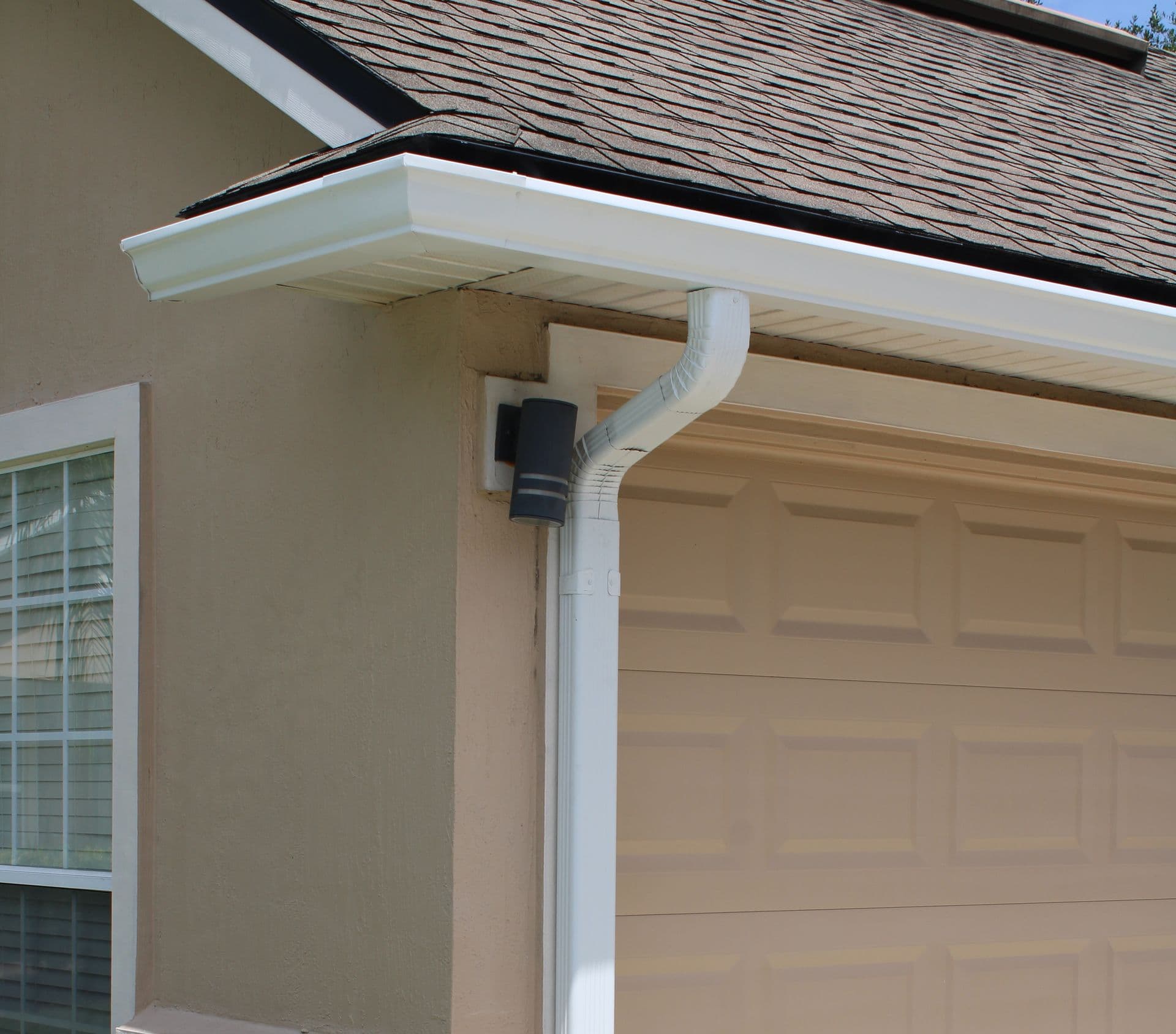
Gutters are also seriously impacted by storms. Roofs can be damaged by high winds, causing gutters to pull away from fascia. The weight of debris in a storm can cause individual sections of a gutter to pull apart at seams. Even if downspouts are functioning properly before a storm, heavy debris can clog them causing huge problems during intense rains.
Walk the perimeter of the property and look for:
● Gutters that are visibly pulling away from the roofline.
● Sections that are bent, dented, or misaligned
● Downspouts that have pulled loose from the gutters or from the downspout ground extension.
● Standing water in the gutter channel which may indicate a clog or improper pitch.
● Water staining or erosion directly below the gutter line, indicating overflow
In addition to managing rainwater, functional gutters and downspouts direct water away from your home's foundation. Make sure your gutters and downspouts are working properly, or you can expect the water to flow somewhere - often a place you don't want it to.
Roofline, Fascia, and Soffits
These three items are part of a system, so damage to one area of the roofline can cause problems with the other areas. The fascia is the trim piece that runs along the roof's edge where the roof meets the wall of the house. It supports the gutters. The soffit is the trim item that runs along the bottom of your home's eaves (the overhang where the roof meets the wall). It is typically left open to allow for ventilation into the attic space.
Inspecting for damage from the ground, using binoculars if needed, means looking for lifted, curled, or missing shingles along the edges; fascia boards that have pulled loose from nails or become damaged and warped; soffit panels that are cracked, discolored, or hanging loose; and the space between the soffit and fascia for signs of water intrusion by animals, or general wear and tear.
As water penetrates through soffit damage, it can create additional problems in the form of structural collapse, mold growth and loss of effectiveness of insulation. Roofline perimeter damage to a home's exterior occurs frequently during wind driven storms and should be inspected for damage after a storm. Information on wind driven damage can be found at the Insurance Institute for Business and Home Safety web site, www.ibhs.org.
Siding and Exterior Walls
Damage to exterior walls from heavy rain and strong winds can vary from surface-level to severe structural damage. Vinyl siding may crack or become misshapen and detach from the wall. Sided homes with wood siding may develop splits in the siding and become misshapen over time as the wood becomes saturated with water. Fiber cement siding can develop hairline cracks that can allow water to penetrate the wall.
Check for damage along the full height of all exterior walls, paying particular attention to corners and seams where panels meet or trim pieces attach, areas where paint is peeling or bubbling (a sign of moisture in the siding), any visible cracks or holes no matter how small, and the flashing around doors, windows, and utility penetrations.
Windows and Entry Points
During a storm a window may reveal weak points in the seal, in the caulking between the window frames and the walls, or in the framing. Run your hand along the interior of the window frames and sills after a heavy rain to feel for moisture. Look at the caulk lines on the exterior of windows and doors for cracks or for where the caulk may be missing. Water can penetrate into the wall cavities through these openings and remain there undetected for months or even years.
Check for compliance with the current Florida Building Code requirements for windows. Most older rental homes have older style windows that do not meet current wind and water resistance standards and can be affected during a storm.
Drainage and Foundation Areas
Next, inspect the grounds. Walk around the entire exterior of the home and see how water is behaving in the area. Look for areas where water is collecting and not draining properly. Look for soil erosion and signs that water may be penetrating the home's foundation.
Look for pooling water within six feet of the foundation, soil erosion or washout that has exposed the foundation edge, downspout extensions that have been knocked loose and are no longer diverting water away from the home, and low areas in the yard where water may collect and develop long-term moisture against the structure.
The EPA provides useful guidance to property owners on how to manage stormwater runoff and help prevent structural damage to homes and other buildings and structures. One key point of the EPA's guidance is to look for homes with good drainage, that is, homes with yards that drain away from the foundations of homes.
Why Proactive Inspections Matter More Than Tenant Reports
It is rare that a landlord finds out about major property damage until a tenant complains or phone calls are poured in. Damage to the exterior of your property typically becomes more expensive as time goes on.
Use your maintenance inspections, whether scheduled or unscheduled, as a chance to capture photographs of problems with your rental property before you start repairs - companies like Earnest Homes and PMI Virginia approach this by documenting exterior conditions systematically before and after major weather events. Then write up a list of needed repairs and call a licensed contractor for the more complex work.
Protecting Your Property Starts on the Outside
The exterior of your rental property is the first line of protection against the elements. Everything on the outside of your property (gutters, roof, siding, windows, etc.) must function properly in order to keep your rental property dry and safe. One item failing after a storm can often cause other outside items to fail as well.
A systematic inspection of your property after every major weather event can go a long way to keeping small problems from becoming bigger ones, while keeping your tenants safe and maximizing the long-term value of your investment.
Get a Free Estimate +
Check Out Our Discounts on Select Products!
Recent Posts
Florida sits squarely in hurricane country, with a storm season every year. These storms can develop fast, bringing strong winds and heavy rain...
In North Florida, the heat, humidity, and almost-daily summer storms create many challenges for the exterior of homes, particularly for the owners of rental properties.